


Views: 0 Author: Site Editor Publish Time: 2026-09-25 Origin: Site


Rare earth chlorides possess extreme sensitivity to environmental variables. Moisture and atmospheric exposure instantly compromise material integrity. Improper storage of Lanthanum Chloride leads to rapid deliquescence. This moisture absorption results in compromised chemical purity and altered molecular weight. Unwanted hydration causes severe manufacturing defects in downstream applications, from failed catalytic reactions to defective optical glass batches. You must evaluate facility infrastructure, containment protocols, and supplier packaging standards before procuring bulk quantities. Doing so ensures material viability and safeguards your operational investments. We see this constantly on the production floor. A single compromised drum shuts down entire processing lines and creates massive disposal headaches. You need strict environmental controls, precise handling procedures, and robust secondary containment to prevent these failures. Managing these compounds requires treating ambient air as a direct contaminant.
Moisture is the Primary Threat: Lanthanum chloride is highly hygroscopic; maintaining ambient relative humidity (RH) below strict thresholds is non-negotiable to prevent the transition from anhydrous to hydrated states.
Inert Atmospheres are Critical: High purity lanthanum chloride powder requires storage in tightly sealed containers, often under inert gas (argon or nitrogen) to maintain chemical integrity.
Material Compatibility Matters: Storage vessels must be constructed from non-reactive materials like High-Density Polyethylene (HDPE) or specialized glass to prevent leaching and contamination.
Continuous Monitoring is Essential: Implementing data loggers and IoT sensors for real-time climate tracking prevents catastrophic batch losses due to sudden HVAC failures.
Compliance Dictates Placement: Facility storage must align with Safety Data Sheet (SDS) guidelines, requiring segregation from strong acids, bases, and oxidizing agents.
Rare earth chlorides exhibit severe hygroscopic behaviors. Deliquescence occurs when a solid substance absorbs moisture from the atmosphere until it dissolves into an aqueous solution. When exposed to ambient humidity, anhydrous materials rapidly pull water molecules into their crystalline structure. This chemical mechanism fundamentally alters the physical state and molecular weight of the powder. The crystal lattice expands, and the material transitions from a dry, free-flowing powder into a sticky, unworkable paste.
Storage sensitivities vary drastically between anhydrous forms and hydrated variants. Anhydrous powders demand zero-moisture environments. Even brief exposure to standard room humidity triggers immediate hydration. Hydrated forms, such as lanthanum chloride heptahydrate, possess slightly more stability. However, they still require strict environmental controls to prevent further moisture absorption or unwanted dehydration in excessively dry conditions. You cannot treat these two forms interchangeably on the warehouse floor.
Success in storage relies on maintaining the exact hydration state specified at the time of purchase. Predictable stoichiometric reactions depend on precise molecular weights. If a powder absorbs unquantified moisture, operators cannot accurately calculate reaction ratios. Maintaining the original chemical structure ensures consistent performance across all industrial applications. A shift in molar mass ruins batch calculations before the material even enters the reactor.
Degraded materials introduce severe downstream consequences across manufacturing sectors. In fluid catalytic cracking (FCC), refineries use rare earth elements to stabilize zeolite structures. Moisture-compromised powders fail to exchange ions effectively during catalyst preparation. This failure reduces petroleum refining yields and forces operators to scrap entire catalyst batches. The chemical imbalance prevents the catalyst from withstanding the extreme thermal environments of the cracking unit.
Optical glass manufacturing suffers similarly. Hydrated impurities introduce micro-bubbles and structural weaknesses into the final glass matrix. When the hydrated chloride hits the melting furnace, the trapped water vaporizes instantly, creating voids in the glass. Water treatment facilities relying on these compounds for phosphate removal experience incomplete precipitation reactions when using degraded batches. The financial impact of material loss extends far beyond the initial purchase price. Production downtime accumulates rapidly while operators troubleshoot failed reactions. Scrapping defective end-products multiplies these losses.
Controlling Relative Humidity (RH) serves as the primary defense against material degradation. Target RH levels depend entirely on the specific hydration state of your inventory. Standard highly sensitive powders require storage environments maintained below 20% RH. Anhydrous forms demand extreme controls, requiring ambient humidity below 5% or specialized positive-pressure glovebox environments. You cannot achieve these levels with standard commercial air conditioning.
Facilities rely on two primary dehumidification strategies to achieve these thresholds. Active desiccant dehumidification systems continuously cycle facility air through large-scale silica or lithium chloride wheels. They extract moisture at the macro level, maintaining strict RH thresholds across entire storage rooms. Passive in-container desiccants, such as Type 3A or 4A molecular sieves, absorb micro-moisture inside the packaging. They protect the material during transit and provide a final barrier against localized humidity spikes. Combining both active facility systems and passive in-container solutions provides redundant protection for rare earth chloride materials.
Temperature stability directly influences moisture control. The optimal temperature range for storage falls between 15°C and 25°C. Maintaining a cool, stable room temperature prevents the physical degradation of packaging materials and minimizes the kinetic energy available for unwanted chemical reactions. High temperatures accelerate the degradation of polymer seals on drums and bottles.
Thermal cycling presents a severe risk to sealed containers. Rapid fluctuations between hot and cold temperatures cause the air inside a sealed vessel to expand and contract. This process draws ambient moisture through microscopic seal imperfections. Furthermore, sudden temperature drops trigger condensation inside the container. If the warehouse temperature drops below the internal dew point of the drum, trapped moisture condenses on the walls and drips into the powder. This causes localized hydration even if the external environment remains dry.
Storage areas require continuous, dry ventilation. Stagnant air allows localized micro-climates of high humidity to form, especially near concrete floors or exterior walls. Proper airflow disperses ambient moisture and ensures that HVAC sensors read accurate facility conditions. We frequently see moisture pooling in unventilated warehouse corners, destroying inventory stacked directly on the floor.
Light exposure introduces another layer of risk. Ultraviolet (UV) radiation triggers photo-degradation in certain trace impurities present in the powder. You must utilize opaque or amber-tinted storage environments. Keep containers away from direct sunlight and utilize UV-filtered lighting within the storage facility. This practice preserves the visual and chemical purity of the material over extended storage durations. Clear glass or transparent plastic containers offer zero protection against this specific degradation pathway.
Manual climate checks leave unacceptable gaps in environmental data. Implementing smart sensors allows facility managers to track RH and temperature continuously. IoT data loggers record environmental metrics every few seconds, providing a comprehensive historical record of storage conditions. You need this data to verify that the HVAC system maintains parameters during overnight shifts and weekends.
Automated alerts form the backbone of proactive quality assurance. If an HVAC compressor fails at midnight, IoT systems instantly notify facility managers via SMS or email. This rapid response capability prevents catastrophic batch losses. Furthermore, aerospace and semiconductor industries require strict audit trails. Continuous data logging proves that high purity lanthanum chloride powder remained within specified environmental parameters from the moment it entered the facility until its deployment on the production line.
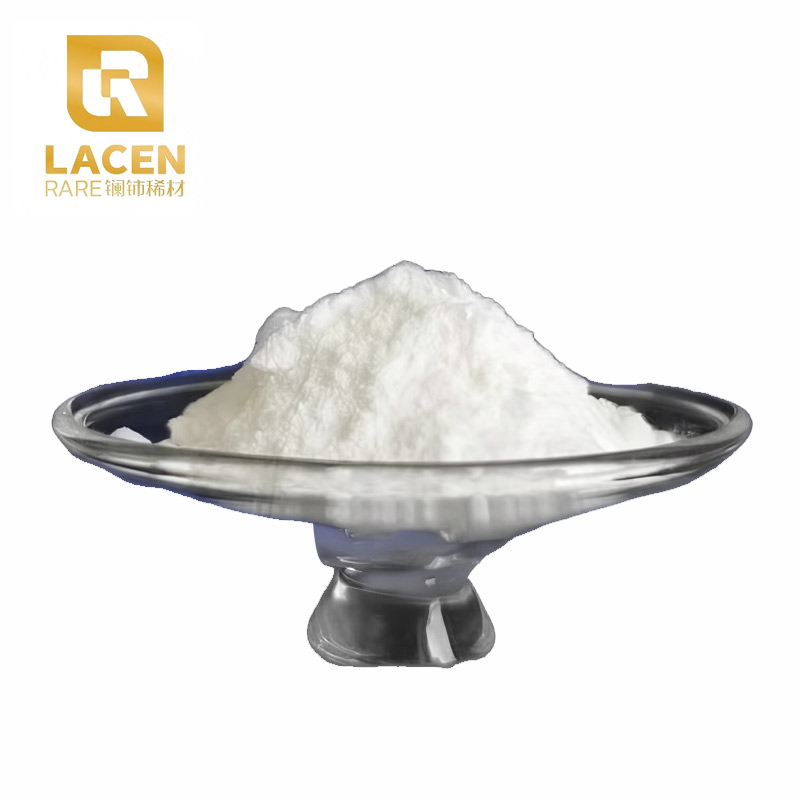
Material compatibility dictates container selection. High-Density Polyethylene (HDPE) serves as the industry standard for bulk storage. HDPE offers excellent chemical resistance, durability, and a strong moisture barrier. It withstands the rigors of warehouse handling without shattering. When selecting HDPE drums, operators must verify the wall thickness to ensure adequate resistance to moisture vapor transmission.
Borosilicate glass provides superior protection for smaller, high-purity laboratory quantities. Glass offers absolute impermeability to gases and moisture. However, its fragility makes it unsuitable for heavy industrial drums. You must strictly avoid standard metal containers. Chloride ions induce severe corrosion in most metals. This corrosion leads to structural failure of the drum and introduces heavy metal contamination directly into your chemical supply. A rusted drum bottom will dump hundreds of kilos of expensive material onto the warehouse floor.
Primary containers alone cannot guarantee long-term stability. You must purge containers with argon or nitrogen before sealing. This methodology displaces ambient moisture and oxygen from the headspace of the bottle or drum. Argon, being heavier than air, blankets the powder effectively, creating an inert barrier against degradation. Nitrogen works well but requires a higher purge volume to displace the ambient air completely.
Secondary containment strategies create redundant moisture barriers. After sealing and purging the primary HDPE bottle, operators should place it inside a vacuum-sealed mylar or aluminum foil bag. These specialized bags feature extremely low moisture vapor transmission rates (MVTR). Including a fresh desiccant packet between the primary bottle and the secondary bag ensures any trapped micro-moisture is absorbed before it can penetrate the inner seal. This double-barrier method is standard practice for high-value rare earth compounds.
Material degradation often occurs during transit. Establish a rigorous inspection protocol for all shipments before they enter your main storage facility. Receiving docks must feature a dry, climate-controlled staging area for inbound inspections. Never leave pallets of sensitive chemicals sitting on an open, humid loading dock.
Inspectors must verify the integrity of all tamper-evident seals. Check the external packaging for signs of water damage, crushing, or puncture. Many high-purity shipments include Humidity Indicator Cards (HICs) inside the secondary packaging. Operators must check these cards immediately upon opening the outer crate. If the HIC indicates exposure to humidity levels above the specified threshold—typically by changing color from blue to pink—quarantine the shipment immediately and contact the supplier.
Procurement teams must evaluate a chemical supplier’s packaging reliability before finalizing contracts. Request detailed packaging specifications during the vendor qualification process. A reliable supplier utilizes UN-rated packaging designed for hazardous or sensitive materials. Do not accept materials shipped in standard, unrated cardboard boxes or thin-walled plastic buckets.
Use the following checklist to evaluate supplier packaging standards:
Verify the use of heavy-duty HDPE drums or borosilicate glass bottles.
Confirm double-bagging protocols utilizing low-MVTR mylar or foil materials.
Require verifiable inert atmosphere packaging with argon or nitrogen backfill.
Check for the inclusion of internal molecular sieve desiccants and HICs.
Ensure tamper-evident seals are applied to all primary and secondary closures.
Review the supplier's pallet wrapping standards to ensure weather-tight stretch wrapping.
Safety Data Sheet (SDS) guidelines dictate facility placement and segregation rules. While not highly flammable, these powders react poorly with specific chemical classes. You must keep them segregated from strong oxidizing agents, strong acids, and any potential moisture sources. Accidental mixing triggers rapid heat generation or the release of toxic gases. Store these materials in dedicated bays away from general chemical inventory.
Required safety infrastructure includes corrosive-resistant shelving to prevent structural degradation from accidental spills. Utilize spill containment pallets beneath all bulk drums. Ensure the pallets have sufficient sump capacity to hold the contents of the largest drum. Ensure eye-wash stations and emergency showers are readily accessible, but position them far enough away to prevent accidental water spray from reaching the storage containers.
Determine your handling infrastructure based on material purity and hydration state. A standard climate-controlled warehouse suffices for sealed drums of hydrated industrial lanthanum chloride. However, handling anhydrous forms requires specialized positive-pressure gloveboxes. You cannot scoop anhydrous powder in open air without instantly ruining the batch.
Standard Operating Procedures (SOPs) for opening containers must prevent the introduction of ambient moisture. When using a glovebox, operators must cycle the container through an airlock, purging the antechamber with inert gas before bringing the material into the main workspace. Never open an anhydrous container on an open laboratory bench. Even a few seconds of ambient exposure compromises the top layer of the powder, altering the molar mass for the entire container.
Industrial manufacturing rarely consumes bulk containers in a single batch. Operators frequently open drums, extract a specific weight, and return the remainder to storage. This partial-use scenario introduces massive degradation risks if not managed correctly. A poorly sealed drum will absorb warehouse humidity over the following weeks.
Implement strict step-by-step protocols for re-sealing containers:
Wipe the threads of the container with a dry, lint-free cloth to remove stray powder that could compromise the seal.
Backfill the headspace of the container with dry argon gas to displace ambient air.
Replace any passive desiccants inside the secondary packaging with fresh packets.
Re-apply vacuum seals to outer mylar bags using industrial heat sealers.
Log the date of opening, the extracted amount, and the new gross weight on the container label.
Store the partial container in the driest section of the facility.
The realistic shelf life of these materials depends entirely on the seal integrity. Unopened, factory-sealed containers stored in optimal conditions remain viable for several years. However, once the seal is broken, the shelf life drops drastically. Depending on facility humidity, an opened container may only remain viable for a few weeks or months before hydration renders it useless.
Implementing a strict First-In, First-Out (FIFO) inventory system mitigates long-term material degradation. Operators must consume older batches before opening newly received shipments. This practice minimizes dead stock and ensures materials do not sit in partial-use states for extended periods. Regular inventory audits help identify aging containers that require priority consumption. Tagging systems with clear expiration and open dates keep the warehouse floor organized and compliant.
Scaling storage infrastructure requires analyzing the capital expenditure (CAPEX) of facility upgrades against the operational expenditure (OPEX) of replacing ruined materials. Upgrading facility HVAC systems, constructing dry rooms, and installing active dehumidification requires significant upfront investment. Facility managers often hesitate to approve these upgrades due to the initial price tag.
However, relying on standard warehousing for sensitive chemicals virtually guarantees material loss. The continuous OPEX drain of replacing degraded powder quickly surpasses the CAPEX of proper infrastructure. A single ruined batch of high-purity material often costs more than installing a commercial desiccant wheel.
Infrastructure Tier | Ideal Application | Key Features | Risk Level |
|---|---|---|---|
Standard Warehouse | Sealed, hydrated forms | Ambient temp control, basic ventilation | High for anhydrous |
Climate-Controlled Dry Room | Bulk anhydrous materials | Active dehumidification, RH < 20% | Moderate |
Positive-Pressure Glovebox | High purity handling | Continuous inert gas purge, RH < 1% | Low |
Poor storage generates cascading costs that damage overall profitability. Production downtime represents the most immediate financial hit. When a manufacturing line stops due to compromised chemical inputs, labor and overhead costs continue to accumulate. Compromised end-product quality leads to rejected shipments, damaging client relationships and brand reputation. You cannot recover a batch of optical glass once hydrated impurities ruin the melt.
Furthermore, unrecoverable, hydrated chemicals cannot simply be thrown in standard trash. They require specialized hazardous waste disposal. Facility managers must pay certified waste contractors to remove and process the ruined material safely. You must generate waste manifests and pay disposal fees by the kilogram. Investing in robust storage infrastructure eliminates these hidden costs and ensures predictable manufacturing outcomes.
Conduct a comprehensive facility humidity audit using calibrated IoT sensors to identify micro-climates and dead air zones.
Review current SDS documentation to ensure strict compliance with hazardous material segregation rules on the warehouse floor.
Request detailed packaging specifications, including argon purging and double-bagging protocols, from chemical distributors prior to finalizing bulk orders.
Implement strict re-sealing SOPs for all partial-use containers to prevent ambient moisture contamination during production runs.
A: The powder undergoes rapid moisture absorption, known as deliquescence. It transitions from a free-flowing solid to a clumped, hydrated state. This process alters its chemical weight, physical state, and reactivity. Using hydrated powder in precise industrial applications leads to incorrect stoichiometric ratios and failed reactions.
A: Visual cues include the powder losing its free-flowing nature. It forms hard clumps or a sticky, paste-like mass. In severe cases of prolonged exposure, the material will completely dissolve into a liquid pool inside the container. Always inspect the powder texture before introducing it to a reaction vessel.
A: Unopened containers stored in optimal, dry conditions can last several years. Once the factory seal breaks and the material faces ambient air, the shelf life drops drastically. Without proper re-sealing and inert gas purging, an opened container may degrade in mere hours or days.
A: No, it is not a flammable material. You must store it in a dry, corrosive-resistant cabinet. Keep it strictly segregated from incompatible materials. Never store it near strong acids, strong bases, or strong oxidizing agents to prevent hazardous cross-reactions.
A: No. Anhydrous forms require much stricter controls. They typically demand positive-pressure glovebox handling and continuous inert gas storage to prevent instant hydration. The heptahydrate form possesses slightly more stability but still requires low-humidity environments below 20% relative humidity.
A: High-Density Polyethylene (HDPE) or specialized borosilicate glass serve as the best materials. You must explicitly avoid standard metal containers. Chloride ions induce severe corrosion in metals, leading to structural failure of the drum and heavy metal contamination of your chemical supply.
A: Operators wearing appropriate personal protective equipment should use dry sweeping techniques. Collect the powder into a sealed, chemically compatible container. Explicitly avoid using water to clean the spill. Water exacerbates the spread, increases reactivity, and makes the cleanup process significantly more difficult.


